Basics
Welcome to curling! It can look confusing at first, but the basics take only a few minutes to learn.
This section covers scoring, calling shots, sweeping, and the hammer.
Teams take turns throwing (sliding) rocks down a long sheet of ice towards the . The goal is to have your rocks closest to its centre when all the rocks in an have been played.
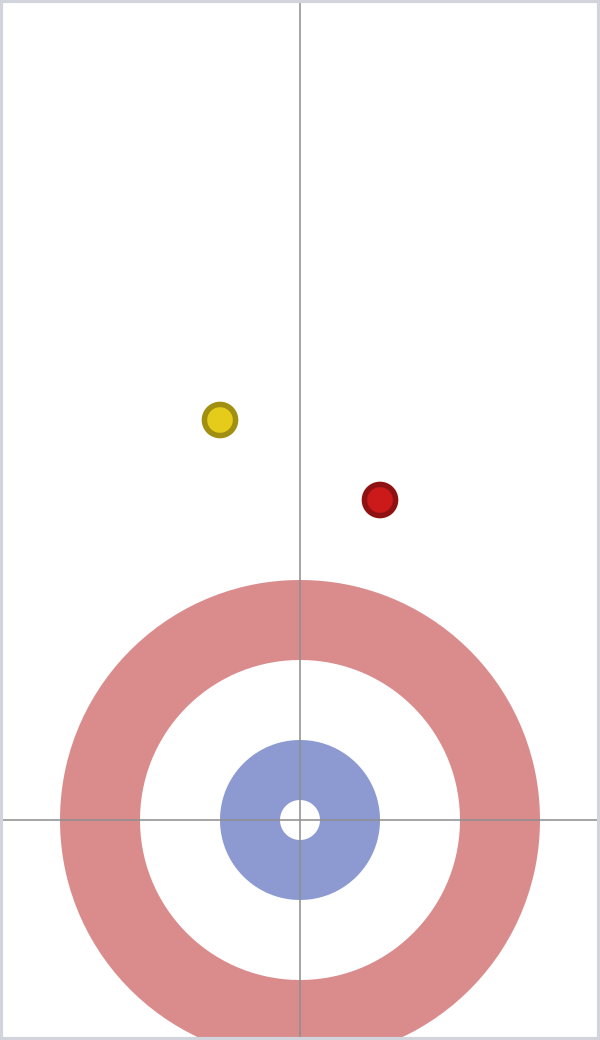
How to Score
After all 16 rocks in an are thrown, the team with the rock in the closest to the scores.
Only one team can score in an end. It gets one point for each rock closer to the button than the other team's closest rock.
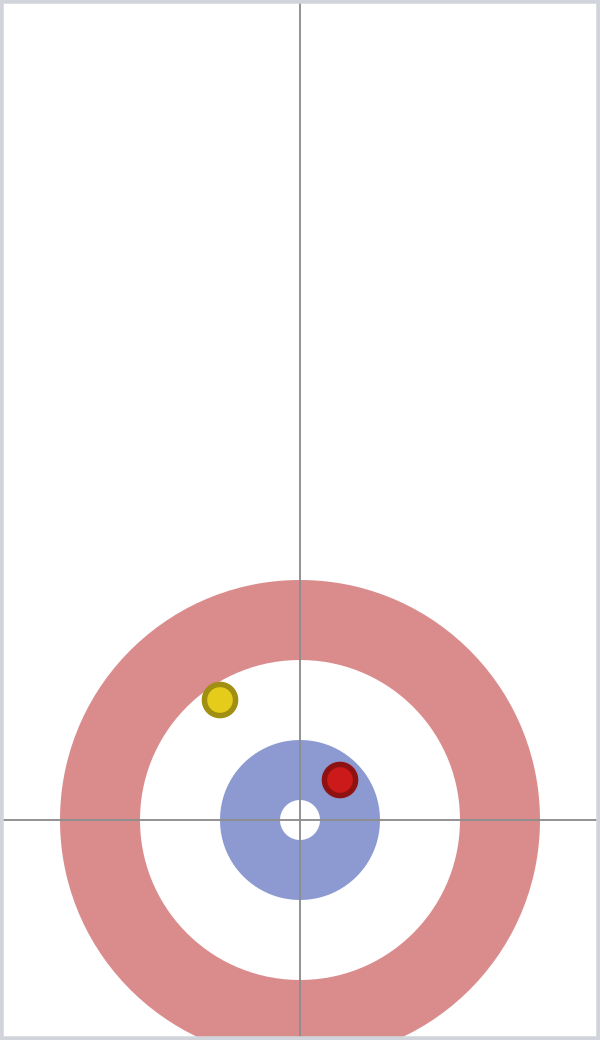
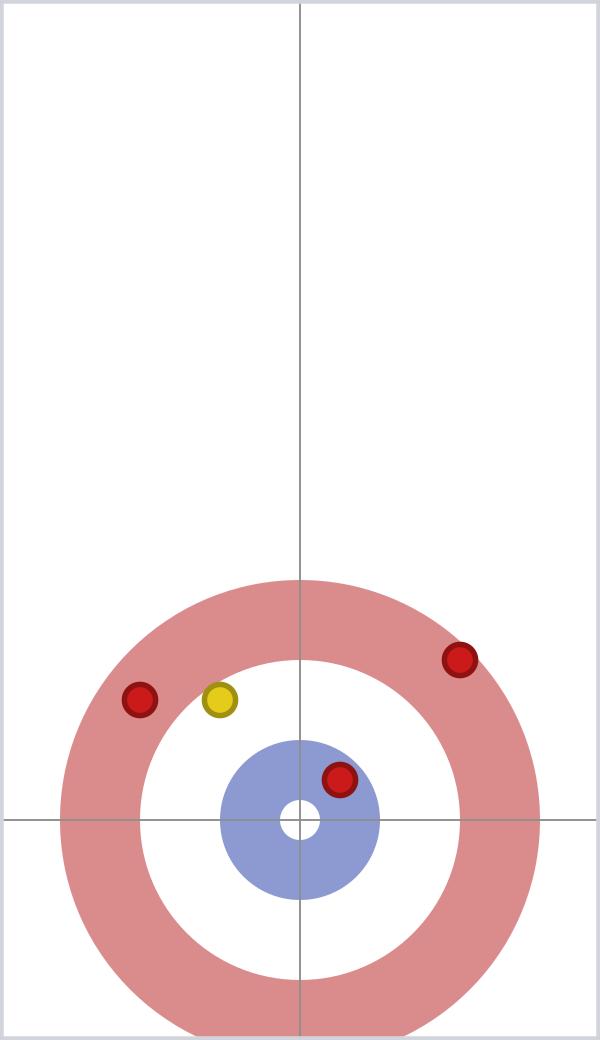
A rock counts only if part of it is in the house (touching or inside the outer ring).
Red scores 1 point in both examples below. In the second, the other red rocks are further from the button than the yellow rock, so they don't count.
A standard game has 8 or 10 . The team with the most points wins.
Calling Shots
Calling a shot means choosing where to aim, which way to spin the rock, and how hard to throw it.
There are 3 basic shots: , , and . Which one you call depends on the situation and how the rock will curl at different speeds.
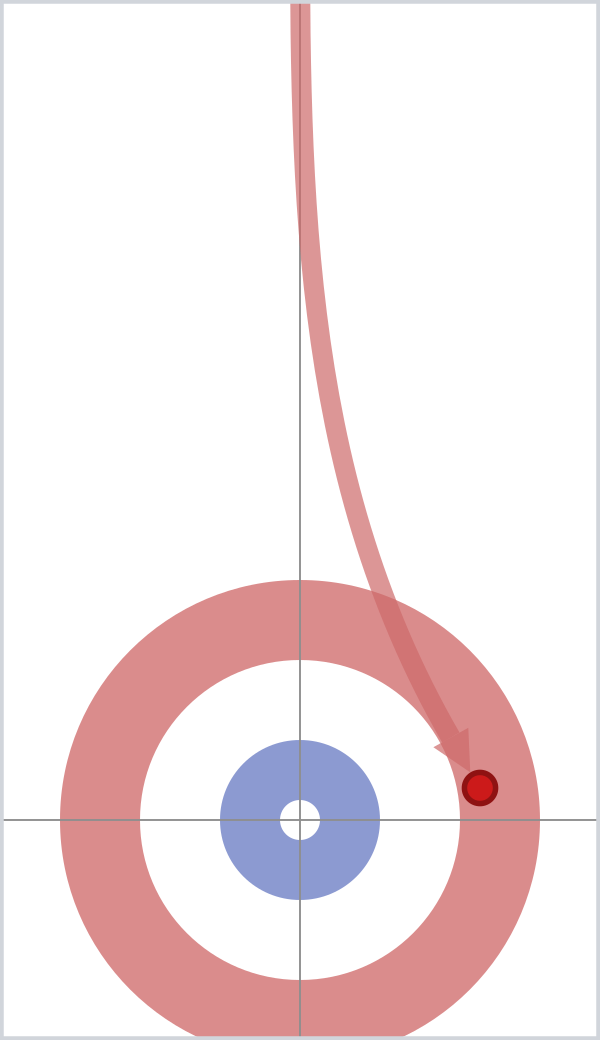
Because rocks curl, you aim to the left or right of where you want the rock to stop or hit, depending on which way you spin it.
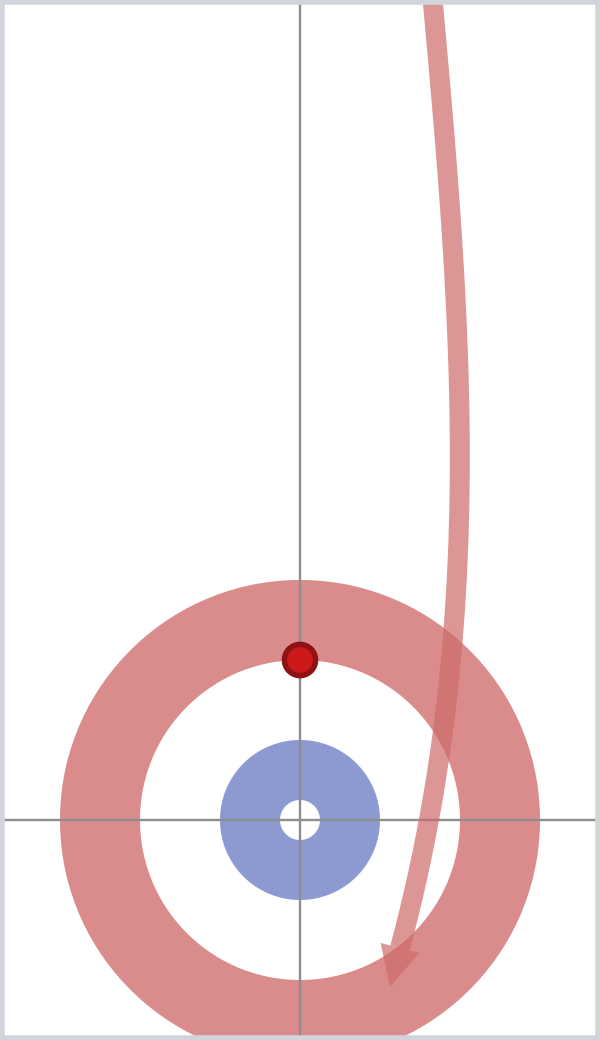
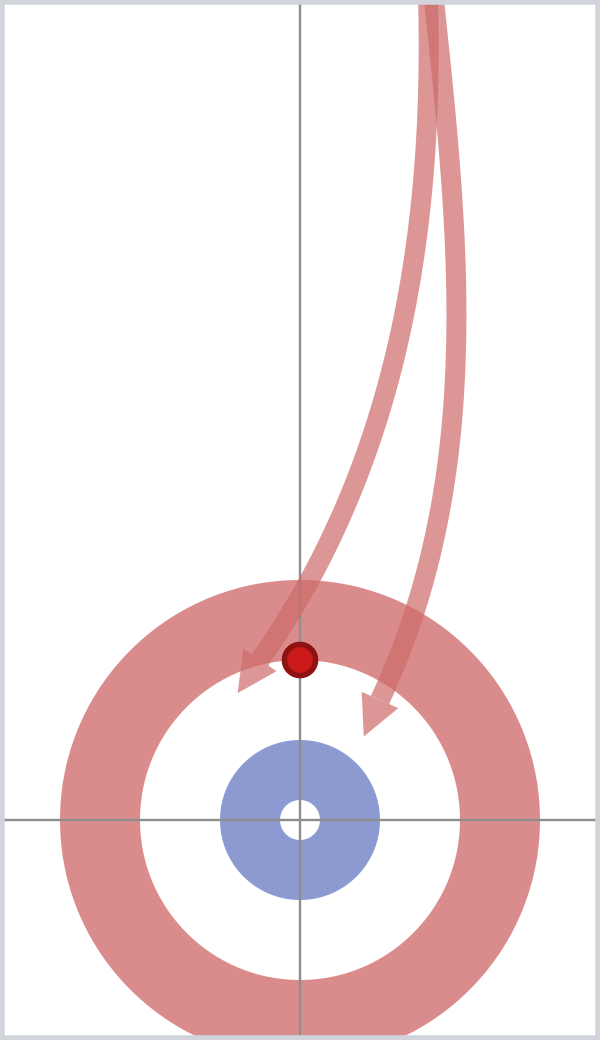
In the first diagram, the rock was aimed down the centre line but curled to the right side of the house. Take-outs curl less than draws, so you aim closer to the target, as in the second diagram.
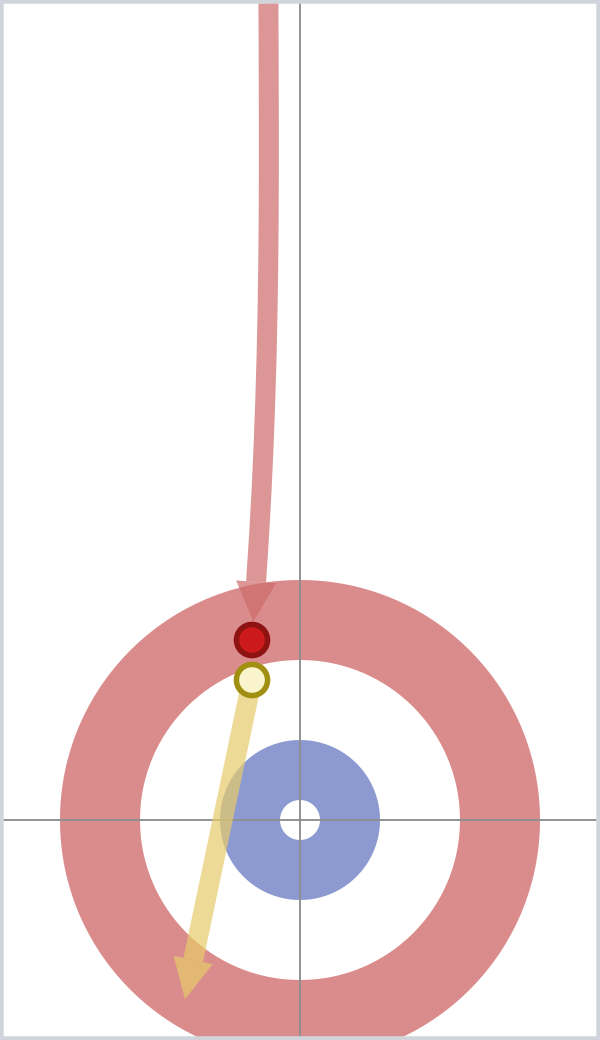
The Curl in Curling
As a rock travels down the ice, its path curls to one side.
The key fact is that rocks curl more at slower speeds. That lets you hide rocks behind , out of reach of faster shots. Below, the red team behind its guards, and a faster yellow shot can't reach that rock.
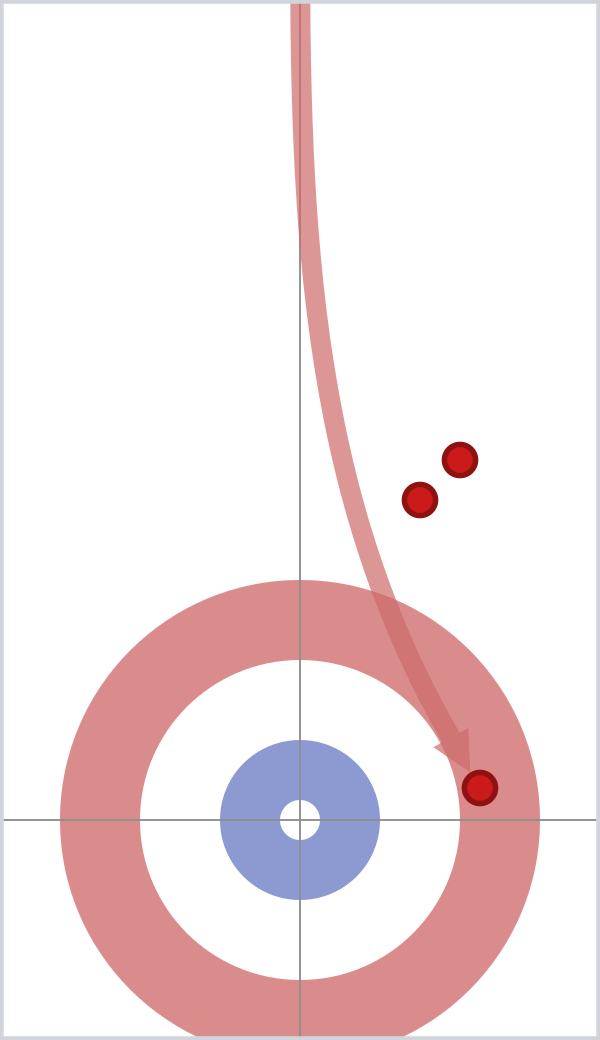
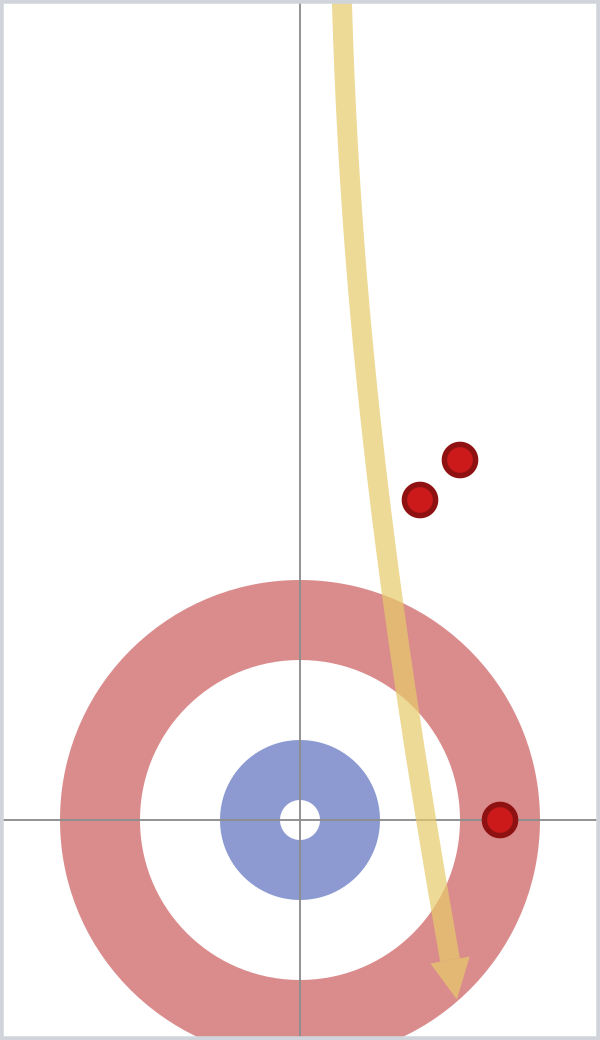
Draws typically curl 3 to 6 feet, depending on the rock and the ice. Fast take-outs curl much less, sometimes not at all.
Curl comes from complex interactions between rock and ice.
Sweeping
Sweeping can be the most confusing part of curling for newcomers. It lets a team fine-tune a rock's path after it's thrown.
Draws:
Normal sweeping makes a rock travel further and straighter. can make it curl less, or a little more. Together, they let a team adjust where the rock stops or hits another rock.
The diagrams show a rock without sweeping, with normal sweeping, and with directional sweeping.
Take-Outs:
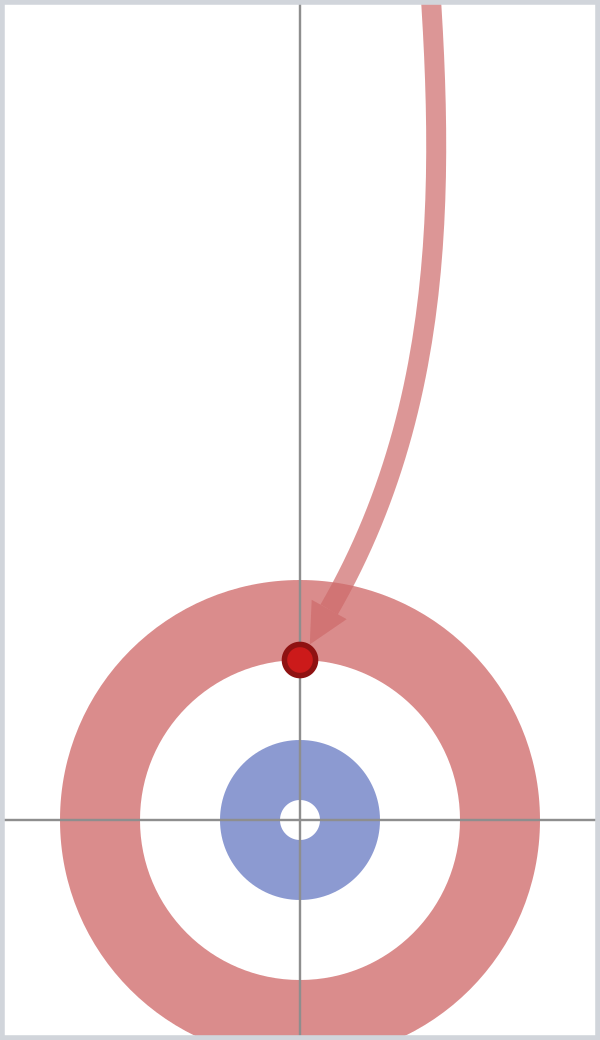
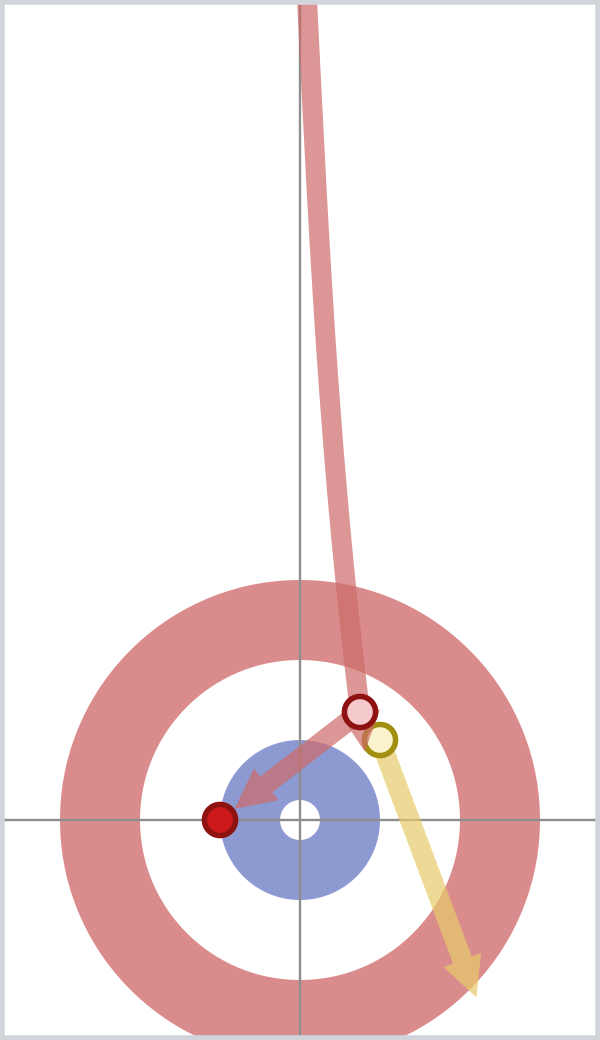
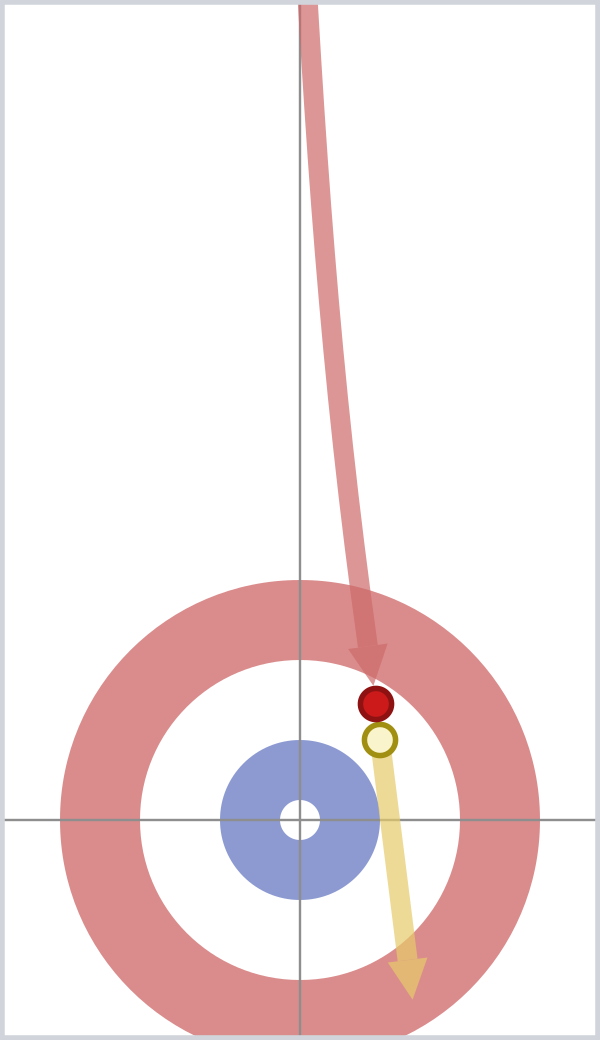
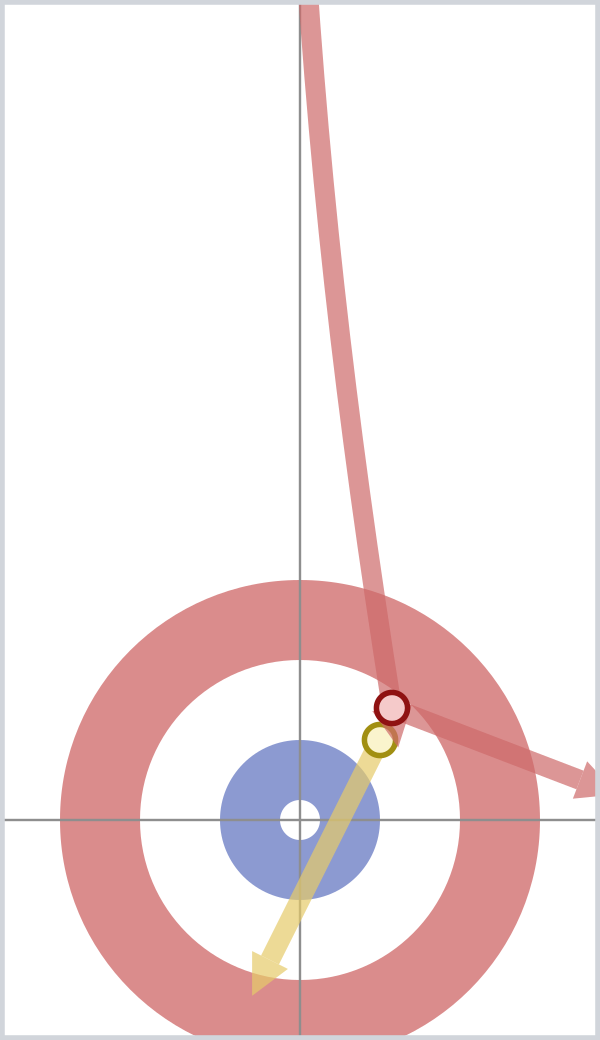
On , sweeping fine-tunes where the rock hits. Below, the red team adjusts a take-out to hit and roll left, hit and stick, or hit and roll out to the right.
Sweeping takes time to master, but it's one of the most rewarding parts of curling. The physical effort and the communication between sweepers and skip make every shot a team effort.
The Hammer
The hammer is the last rock of an end. Having it is an advantage: you get the last chance to or .
A coin toss decides who has the hammer in the first end. After that, the team that doesn't score gets it in the next end. After a , where neither team scores, the team with the hammer keeps it.
Scoring 2 or more with the hammer is a . Being to take 1 gives up the hammer for little in return, so the hammer team often prefers to the end.
Without the hammer, you usually try to or the other team to take 1. Forcing them gets you the hammer in the next end, which is often worth more than the point you gave up.